
In Search of Gangneung’s New Flavors
Gangneung, known as the coffee hub of Korea, has recently gained a new attraction. As its coffee culture has grown, bakeries with distinct personalities have taken root along the coast and in alleys across the city. Bread, admittedly, does not have a long history in Gangneung. Yet today it is impossible to discuss Gangneung’s gastronomy without it. If the value of gastronomy lies not simply in accumulated time but in how a region interprets its local ingredients right now and turns them into creative businesses, then Gangneung’s bread is a model of modern gastronomy.
Tradition Meets Modernity
Injeolmi Cream Bun

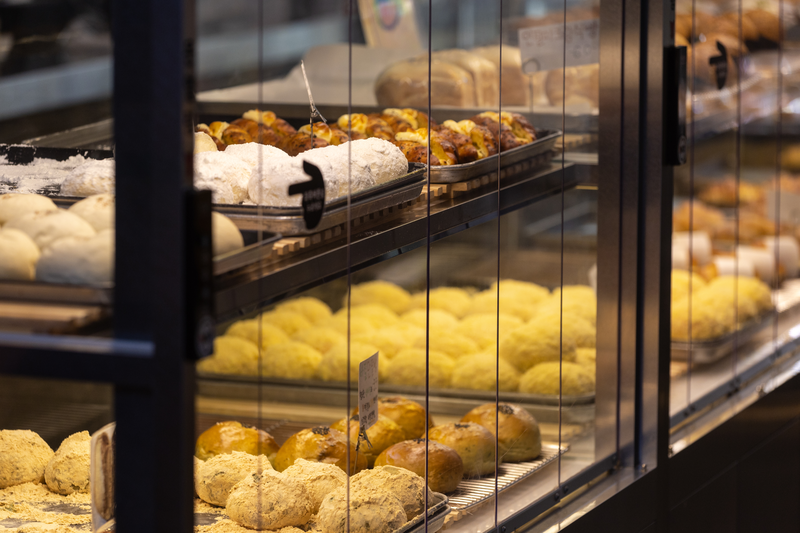
The decisive starting point in Gangneung’s rise as a destination for bread lovers nationwide was the injeolmi-inspired cream bun: soft bread filled with cream and dusted with nutty roasted soybean powder to evoke the flavor of injeolmi (chewy rice cakes coated in roasted soybean powder). Pairing injeolmi, a familiar traditional snack, with a Western-style cream bun turned out to be an unexpected hit.
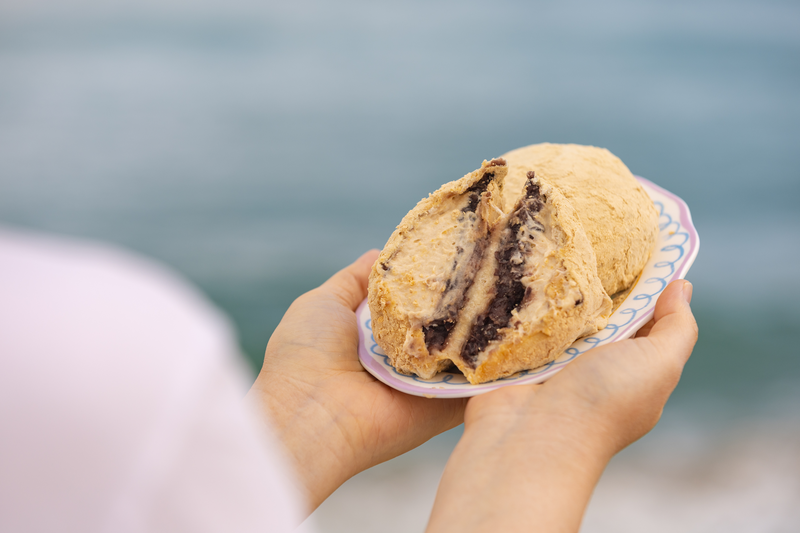
The outside of the bun is coated generously with roasted soybean powder, and the inside is filled with smooth cream and sweet red bean paste. Nutty yet sweet, soft yet light, it appeals to people of all ages, and it became so popular that people lined up from the moment the doors opened. Building on this success, bakers went on to create original cream buns by combining a variety of ingredients. The new varieties include black sesame cream buns and ssukjeolmi, a mugwort-flavored variation.
Crisp Outside, Soft Inside
Garlic Baguette
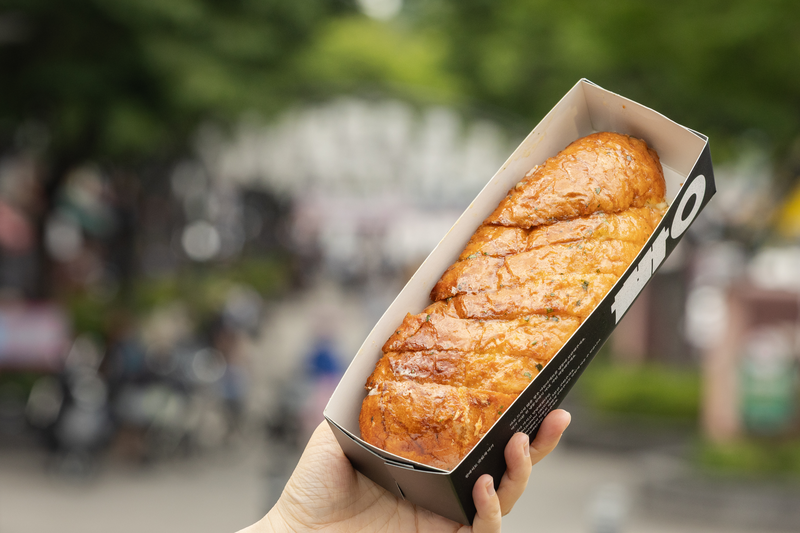
If the classic European baguette is plain and rustic, the baguette born in Gangneung has been thoroughly localized with garlic, the ingredient Koreans love most. Closely spaced cuts are scored into the loaf and filled generously with a special garlic sauce, pungent yet sweet, that makes a strong impression from the first bite.
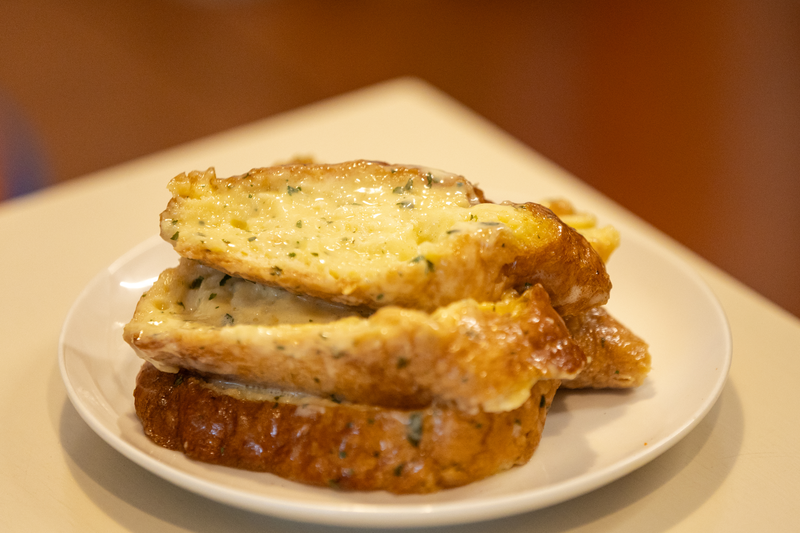
Crisp on the outside, soft and moist within where the garlic sauce has soaked in, this baguette has become one of Gangneung’s best-known breads thanks to a bold flavor that keeps you coming back.
True to the Ingredient
Local Crop Buns
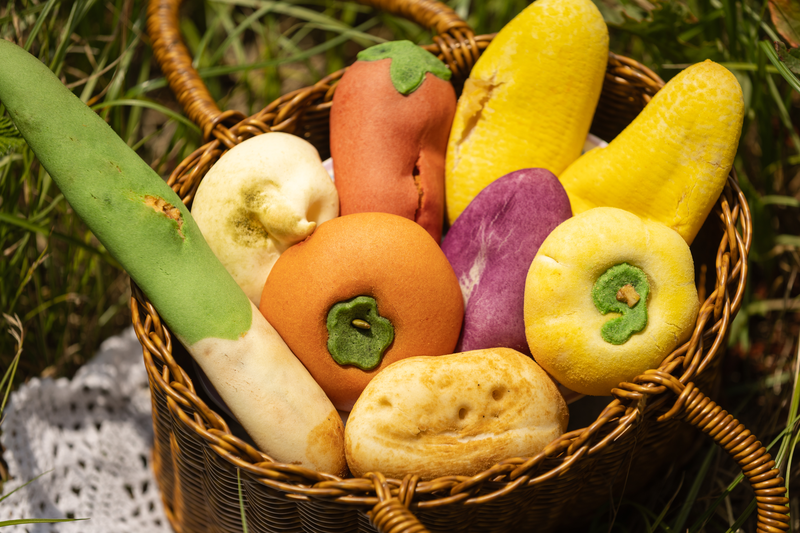
Gangneung’s bread culture also reflects an effort to make use of local farm produce. Potatoes and sweet potatoes, familiar crops that once sustained people through hard times, have long played an important role in Gangneung’s food culture. In these buns, the crops are steamed whole and mashed into a smooth filling that keeps their natural flavor, while the buns themselves are shaped to look just like produce fresh from the field, which adds to the fun.
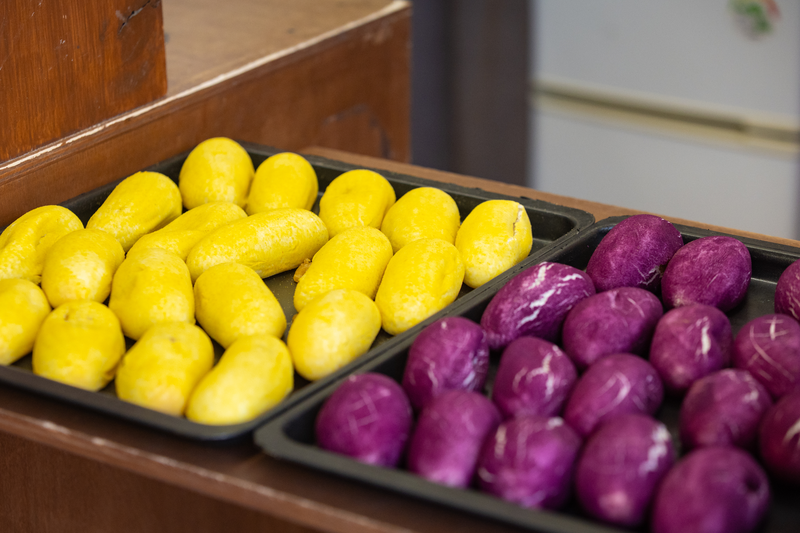
In particular, the dough is made with rice, as in traditional tteok (rice cakes), giving the buns the pleasantly chewy texture of rice cake. This creative approach, which brings local produce into a modern bun made the traditional rice-cake way, is a standout. The range keeps growing beyond potatoes and sweet potatoes to corn, sweet pumpkin, onion, and garlic, and even persimmon and green onion.
Evolving Through a Variety of Toppings
Salted Butter Rolls
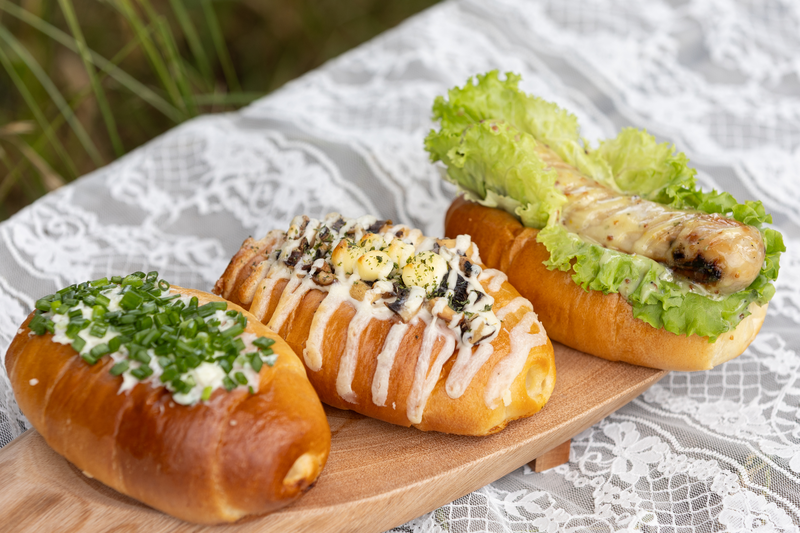
Salted butter rolls, known in Korea as salt bread (sogeumppang), have also evolved freely and imaginatively in Gangneung. The roll, which pairs the richness of butter with a pleasantly salty edge, is popular nationwide, but Gangneung has taken it a step further. Rolls baked with boiled potato worked into the dough take chewiness and crispness to another level. Some bakeries top them with scallions or pollock roe to heighten the savory depth, while others bring in herbs, fruit, and cheese, and even meat and seafood, opening up new combinations of flavor.
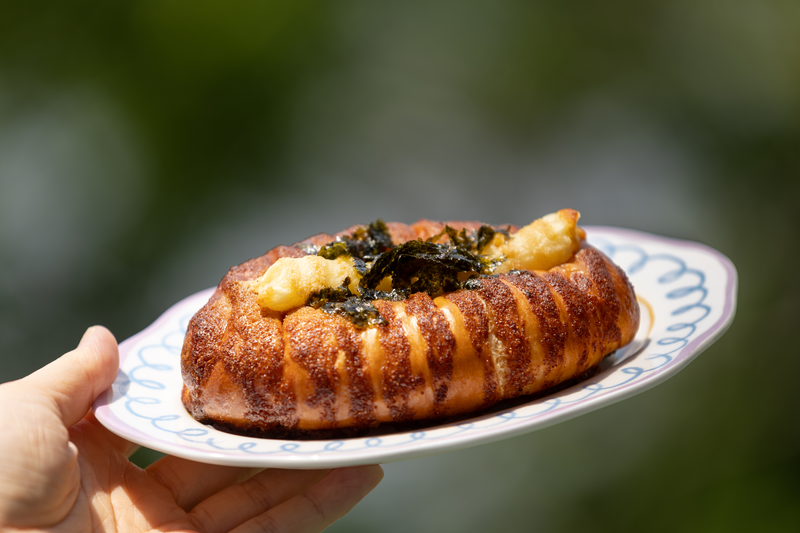
Bakers also show an inventive, experimental streak, applying the traditional Korean technique for making nurungji (crisp toasted rice) to add a crunchy texture, or tucking chewy glutinous-rice cakes inside the bread.
Having grown up alongside the city’s coffee culture, Gangneung’s bread owes its present form to a steady accumulation of efforts to use local ingredients and creative attempts to reinterpret traditional flavors in new ways. Bread filled with flavors and stories found only in Gangneung is still evolving.
 Back to List
