
The Evolution of Chodang Sundubu
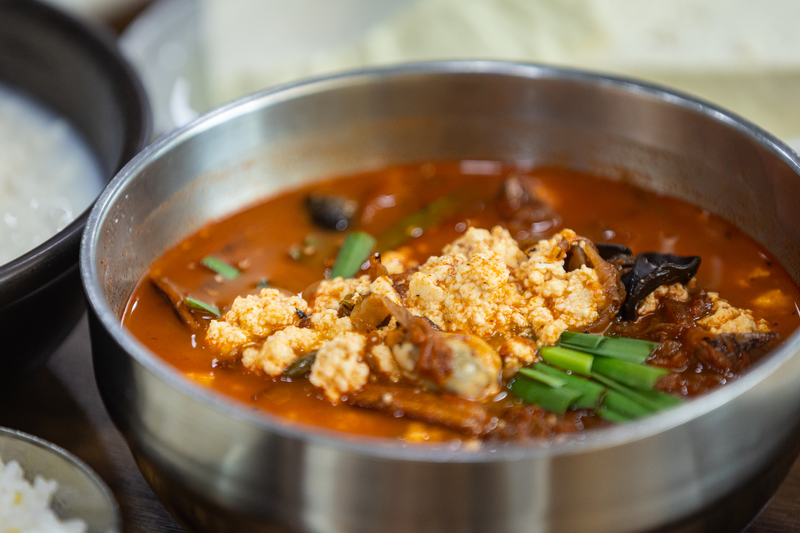
Gangneung recently selected ten signature dishes. In a survey of experts, residents, and visitors conducted by the city, Chodang sundubu ranked first among dishes that reflect Gangneung’s distinctive character, history, and culinary appeal. Jjamppong, so famous that it has made Gangneung a destination for lovers of the spicy noodle soup, also earned a place on the list at number ten. Just ahead of it was jjamppong sundubu, a combination of Chodang sundubu and jjamppong. One bowl brings together the mild, nutty flavor of soft tofu and the bold, fiery heat of a modern favorite. Discover the culinary story of jjamppong sundubu, where tradition and modern tastes come together.
A Clean, Simple Union of Soybeans and the Sea
Chodang Sundubu
(Chodang Soft Bean Curd)

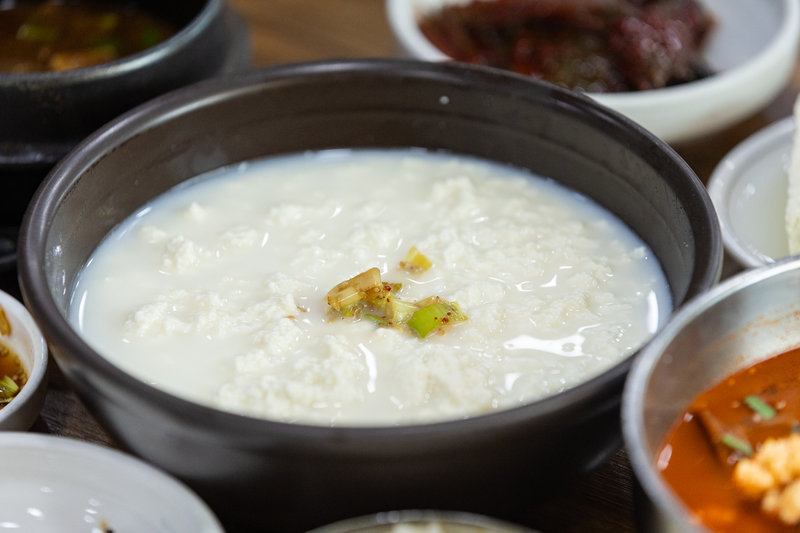
Among Gangneung’s signature dishes, Chodang sundubu is the one that visitors and locals alike name first. The traditional method of using seawater as the coagulant, practiced in Chodang Village since long ago, is what preserves the taste of Chodang sundubu today. Using seawater rather than manufactured coagulants gives the tofu a cleaner, nuttier flavor. To this day, the village serves handmade tofu from freshly ground soybeans, a craft passed down through the generations.
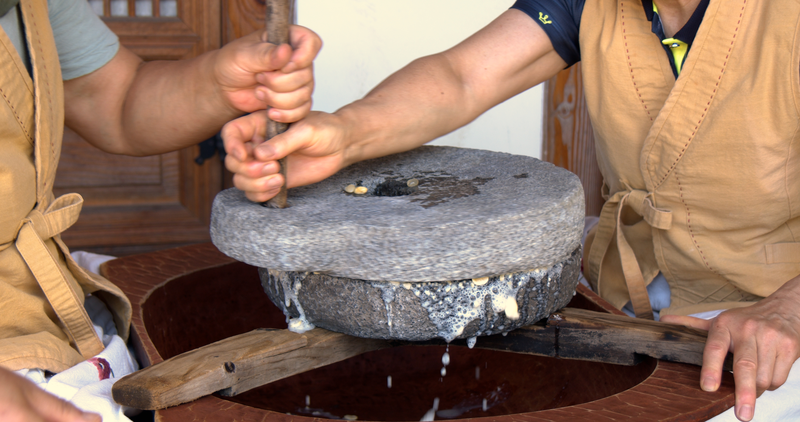
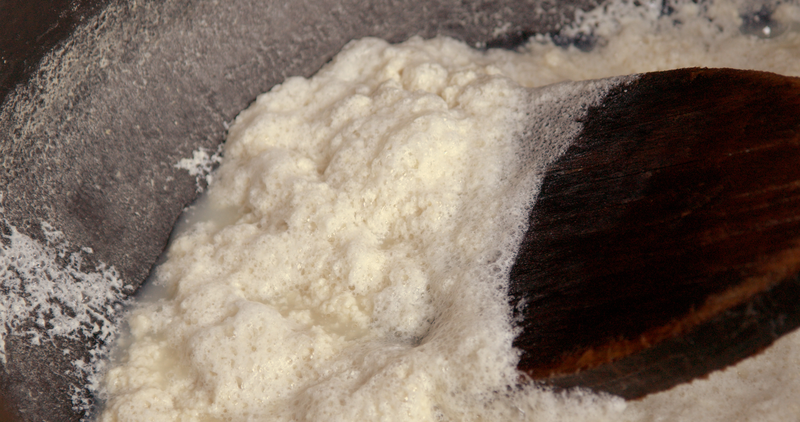
That is why, in Chodang Dubu Village, so many houses have their lights on before dawn. Soybeans soaked overnight are ground and boiled, and when seawater is added, soft, delicate curds of sundubu form. Put the curds in a mold and press out the water, and you have a firm block of tofu. Until the early 2000s, the standard menu in Chodang Village was sundubu, modubu (pressed block tofu), and tofu hot pot with a warming kick of spice.
Born in Gangneung, a Destination for Jjamppong Lovers
Jjamppong Sundubu
(Spicy Seafood and Soft Bean Curd Stew)
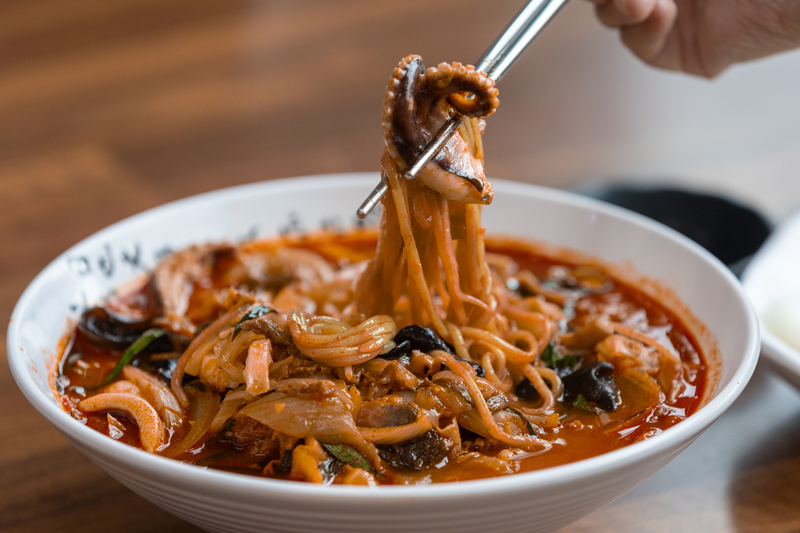
In the early 2000s, milky-white sundubu began a new transformation when a tofu restaurant in the village came up with an ingenious idea: jjamppong with sundubu in it. Gangneung was already famous for its jjamppong, with its rich broth and warming heat, made by stir-frying seafood and pork over high heat until they take on a smoky aroma. Its jjamppong restaurants still draw lines today, as popular as ever.
Jjamppong sundubu was born by keeping the deep, spicy flavor of Gangneung’s trendy jjamppong, a favorite with younger diners, and replacing the noodles with sundubu. Chodang sundubu, Gangneung’s traditional flavor, met the broth of jjamppong, a Chinese dish remade in the Korean style. Like a blank white canvas, the sundubu soaks up the jjamppong broth and goes beautifully with fresh seafood from the east coast. The flavors meld, and the smoky aroma gives the dish an even deeper taste. Travelers seek out jjamppong sundubu even more than traditional Chodang sundubu, and because you can order your preferred level of spiciness, everyone can enjoy it to their own taste.
Jjamppong sundubu comes with rice. First, stir gently so that the jjamppong broth seeps evenly into the sundubu. Taste the soft curds with the spicy broth first, then eat the sundubu together with the seafood and vegetables to enjoy the dish at its best. When you are about halfway through, add rice to the remaining broth. A side of modubu helps temper the heat, and its concentrated nuttiness, quite different from that of sundubu, fills your mouth.
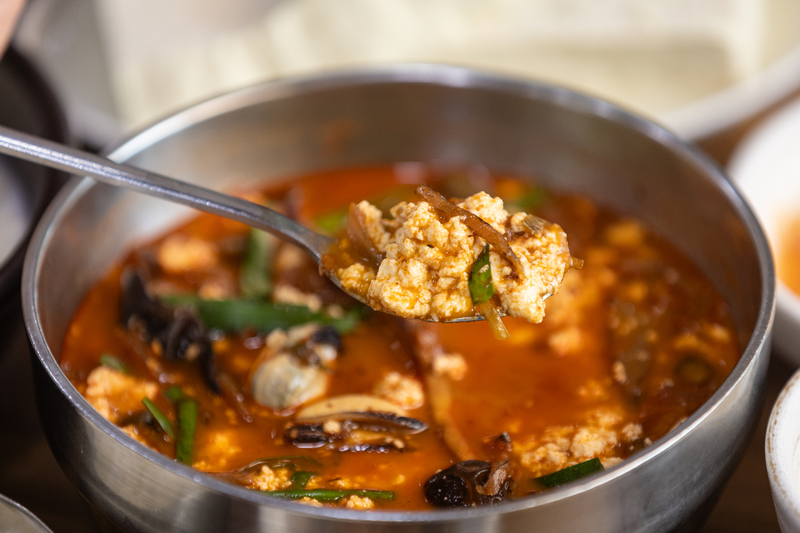
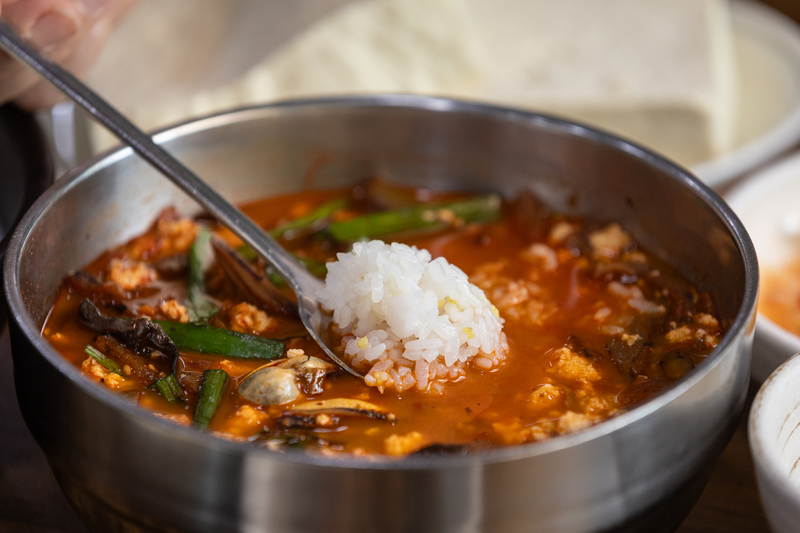
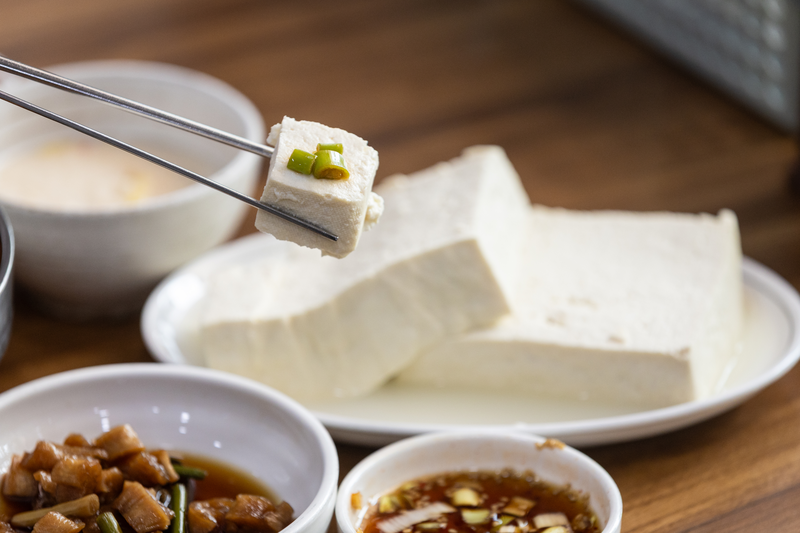
Expanding the Range of Flavors
Jjamppong Sundubu
First created in Chodang Village, Gangneung’s home of soft tofu, jjamppong sundubu is still changing. At first it was made by the shops that made sundubu; now cooks who honed their skills making jjamppong at Chinese restaurants, along with other creative chefs, are giving it new twists. The variations range from jjamppong sundubu kalguksu, with noodle soup added, and jjamppong sundubu bibimbap, with just enough broth to mix into rice, to spicy cheese sundubu loaded with cheese and cheese jjolmyeon sundubu topped with chewy jjolmyeon noodles.
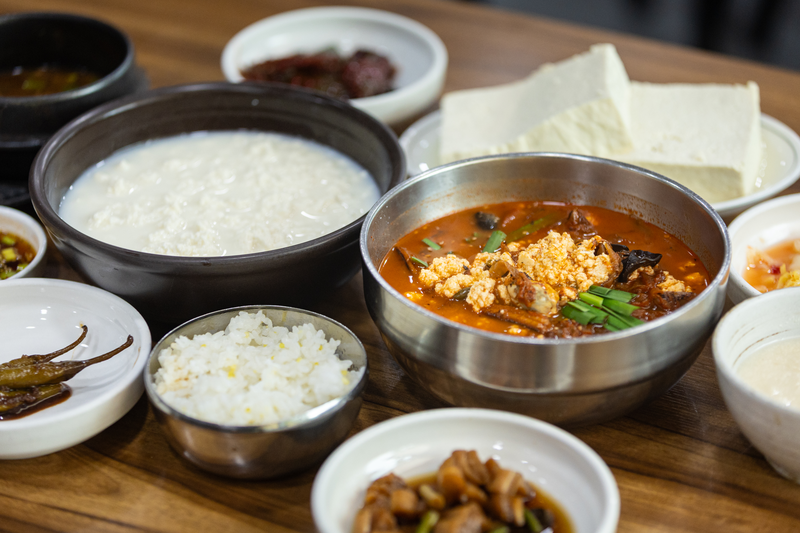
Bringing together jjamppong, a Chinese dish adapted to Korean tastes, and Chodang sundubu, Gangneung’s traditional flavor, this dish embraces tradition and modernity alike and keeps widening its range of flavors, across regions and across generations.

