
The Comfort Food of Gangneung Locals
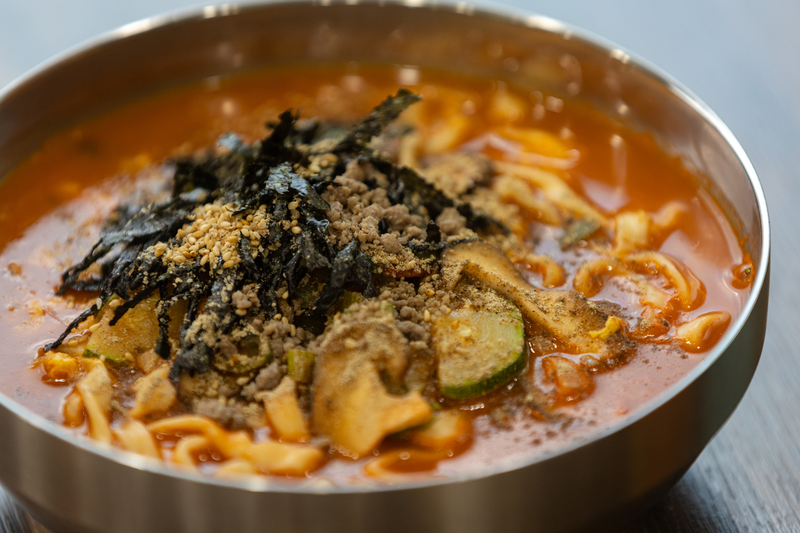
The kalguksu (noodle soup) most of us picture has a clear broth with a clean, refreshing taste. But in Gangneung, a UNESCO Creative City of Gastronomy, the usual formula for kalguksu is turned on its head. The broth that fills the bowl is as red as the sea at sunset, and the noodles are steeped in it, heavy with jang, Korea’s traditional fermented pastes.
Red and peppery, yet no two kitchens produce quite the same color or taste: what, then, is Gangneung’s jang kalguksu? A dish that met geographic scarcity with the wisdom of fermentation, Gangneung’s jang kalguksu holds within it the hardships of local people’s lives and their creative philosophy of food.
The Art of Fermentation Born of Scarcity

Once the thick red broth comes to a rolling boil, generous pieces of thick-cut zucchini and potato go in and cook through with the kalguksu noodles. It is served in a big bowl with a scattering of seaweed flakes and sesame seeds on top, and that rustic simplicity is the essence of jang kalguksu. Lift the tender noodles, steeped in the deep, peppery flavor of the jang, from among the soft vegetables, blow on them, and take a bite, and warmth spreads through your whole body as your stomach is well and truly filled.
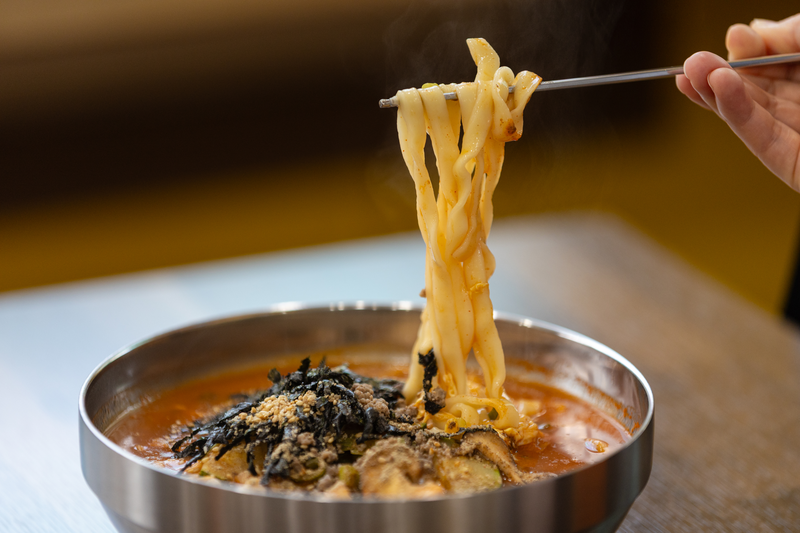
How this one bowl became a dish that represents Gangneung is tied directly to the geographic constraints the city once faced. In the past, salt was hard to come by in Gangwon State’s Yeongdong region, east of Daegwallyeong Pass, so the people of Gangneung turned to jang. Rather than using precious salt directly in their food, they used it to make fermented jang, which let them season their dishes with only a small amount of salt. They dissolved gochujang, doenjang, and the local makjang (a regional fermented soybean paste) in anchovy broth to season it, and cooked wheat-flour kalguksu noodles in it. This history of scarcity gave rise to jang kalguksu, an ingenious dish that made the most efficient possible use of scarce salt.
A Noodle Philosophy in Every Household
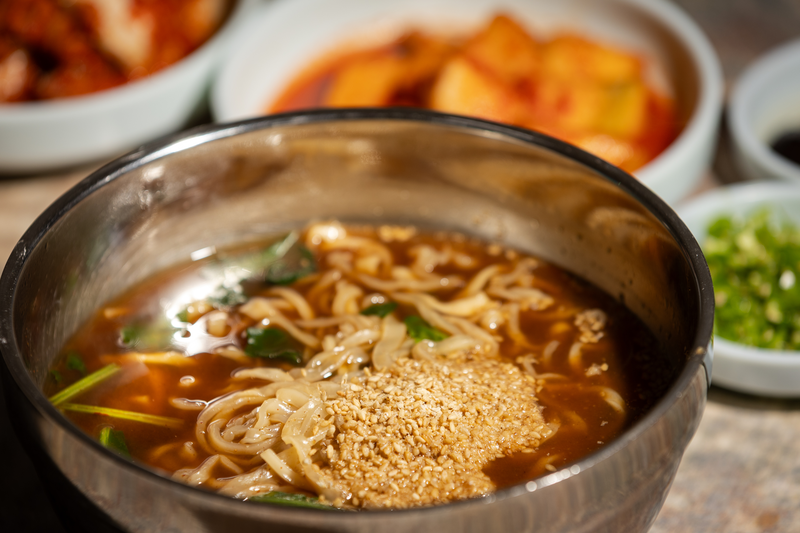
Jang kalguksu is usually made by preparing an anchovy broth, dissolving jang in it, and bringing it to a boil with kalguksu noodles and ingredients such as potato, Korean zucchini, onion, and mushrooms. In spring, shepherd’s purse (naengi) is added for a seasonal fragrance, and in areas near the coast, shellfish such as mussels (known locally as seop) or jjaebok clams go in for a clean, refreshing broth. Depending on the cook’s hand and the season’s ingredients, the possible recipes are endless. That is also why the celebrated kalguksu houses that have held their ground in Gangneung’s old downtown have each built a following of their own, whether with a sharper peppery kick, a topping of ground meat, or a choice of spice levels.
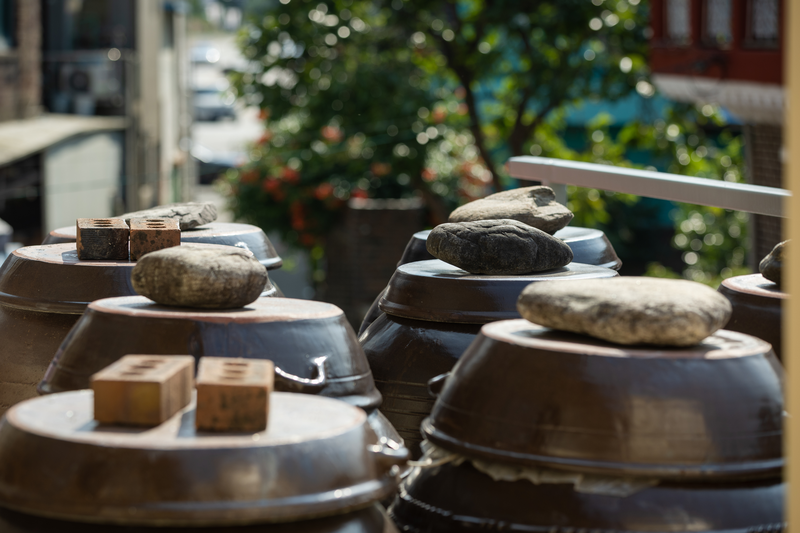
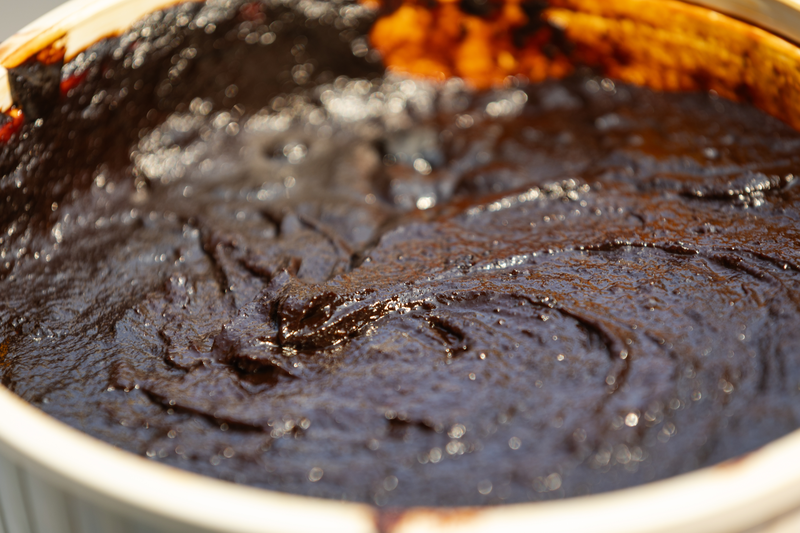
Above all, the key to jang kalguksu lies in the jang itself. The taste of the broth changes not only with the gochujang that forms its base but also with the blend and aging time of the umami-rich Gangwon-style makjang. Where a typical red jang kalguksu has a clean, peppery bite, one made with dark, long-aged jang that has matured in earthenware jars for more than a decade has a deep yellowish-brown broth with a mellow, savory depth.
Reaching Beyond Tradition
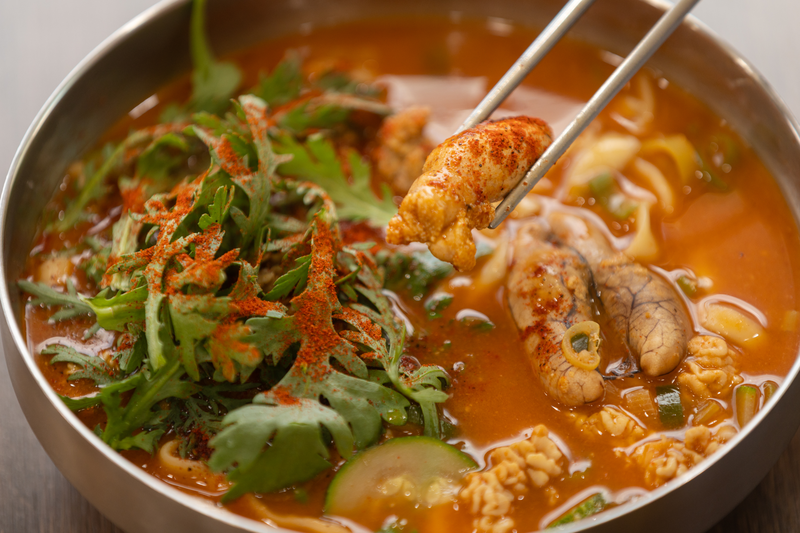
Today, food lovers from across the country and young diners form long lines every weekend outside Gangneung’s popular jang kalguksu restaurants. Countless TV programs and social media creators race to Gangneung’s back alleys to rave about this red broth. The plain, rustic dish that once warmed the chilled stomachs of Gangneung locals has now become a favorite across the whole country.
At the center of this enthusiasm is a flexibility that does not stop at preserving tradition. Recently, algoni jang kalguksu, which draws on the abundant seafood of the east coast and is topped with fresh fish roe and milt for added savory depth, has been delighting food lovers’ eyes and palates. Other versions bring in Chodang sundubu, the local soft tofu, or fragrant seasonal greens; the evolution of jang kalguksu is very much a work in progress.
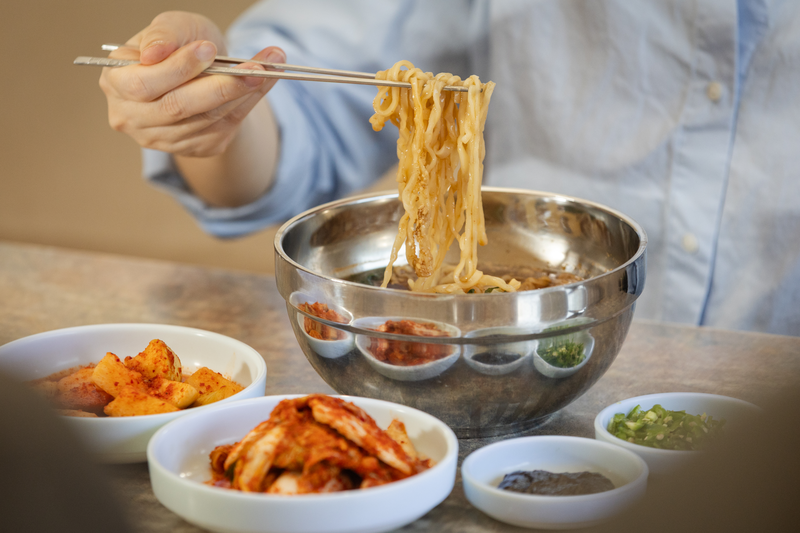
Gangneung’s well-known jang kalguksu brands have gone on to franchise, turning a local dish into a restaurant business. They have also launched meal kits so that the authentic taste of Gangneung can be enjoyed anytime, anywhere, expanding what was once simply a local food culture into a sizable food industry.

